
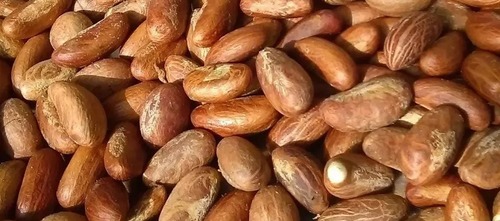
If you grew up in West Africa, you probably know bitter kola. It is that hard, bitter nut people chew for coughs, colds, and just about everything else. Your grandmother probably swore by it. But does science agree? Let’s look at what we actually know, and what is still just tradition.
What Is Bitter Kola?
Bitter kola comes from a tree called Garcinia kola. It grows across West and Central Africa and has been used in traditional medicine for hundreds of years. People chew the seed raw, add it to drinks, or grind it into powder. It has a sharp, bitter taste that takes some getting used to.
The nut is packed with natural compounds. It has vitamin C, potassium, caffeine, and a special compound called kolaviron. Kolaviron is the main reason researchers are interested in bitter kola today. It seems to be behind many of the plant’s possible health effects.
Quick Fact: Bitter kola is not just food. It contains active plant compounds that scientists are now studying for real medical benefits.
The Benefits With Real Evidence Behind Them
1. It May Help Fight Infections
Early studies suggest bitter kola may help the body fight off coughs, bacterial infections, and even some viral infections. This lines up with how it has been used for generations, especially for colds and liver problems like hepatitis. The research is still young, but the pattern is consistent with old traditional knowledge.
2. It May Reduce Inflammation
One study from 2008 looked at people with knee osteoarthritis, a condition that causes joint pain and swelling. People who took bitter kola showed less inflammation compared to those given a placebo. This is a solid clue that bitter kola may help calm swelling and pain in the joints, which also matches its long history of use for arthritis-like aches.
3. It May Support Healthy Blood Sugar
Here is where it gets interesting but also where you need to slow down. Kolaviron showed signs of protecting against low blood sugar problems in type 2 diabetes, but only in animal studies. Nobody has confirmed this works the same way in humans yet.
Caution: If you have diabetes, do not treat bitter kola as a replacement for your medication. Think of this as a promising lead, not a proven treatment.
4. It Is Loaded With Antioxidants
Bitter kola contains natural plant compounds called alkaloids, flavonoids, tannins, and amino acids. These are known for fighting oxidative stress in the body, which is basically damage caused by unstable molecules called free radicals. This is likely why bitter kola has a reputation as an anti-inflammatory, general wellness food.
The Traditional Claims That Need More Proof
This is the part most blog posts skip, and it is the part that actually builds trust with readers. Bitter kola has long been used for:
- Fever
- Digestion problems
- Liver support
- Diarrhea
- Headaches
- Toothache
- Breathing and respiratory issues
- Boosting libido
These uses have been passed down for generations, and that counts for something. But passed-down knowledge is not the same as clinical proof. Right now, there is not enough strong human research to say these claims are scientifically confirmed. That does not mean they are false. It means science has not caught up with tradition yet.
Is Bitter Kola Safe to Eat?
Bitter kola is generally considered safe as a food and is eaten widely across West Africa without major issues. That said, there is no standard dose that has been medically tested and approved. If you are using it for a specific health problem, especially something serious like diabetes or liver disease, talk to a doctor first instead of replacing your treatment with a nut, no matter how many people swear by it.
Pregnant women and people on medication should also be cautious, since caffeine and other active compounds can interact with certain conditions or drugs.
The Honest Take
Bitter kola is not a miracle cure, and it is not snake oil either. It sits somewhere in the middle. Some benefits, like its anti-inflammatory effects and possible help with infections, have real early research behind them. Other benefits, like boosting libido or curing headaches, are mostly based on tradition and word of mouth.
The smart way to think about bitter kola is this: it is a plant with real potential, backed by centuries of use and a growing pile of early scientific interest. But “early studies suggest” is very different from “proven to cure.” If someone tells you bitter kola fixes everything from diabetes to liver disease, be skeptical. If someone tells you it has zero value, they are probably wrong too.
Final Thoughts
Bitter kola deserves respect, both for its long history in African traditional medicine and for the compounds inside it that scientists are now studying closely. The best approach is balance. Enjoy it as part of a healthy lifestyle, know its traditional uses, but do not treat it as a replacement for real medical care.
As more research comes out, especially human trials on kolaviron and its effects on inflammation and blood sugar, we will get a clearer picture. Until then, bitter kola remains what it has always been: a powerful, bitter little nut with a big reputation and a growing amount of science behind it.