
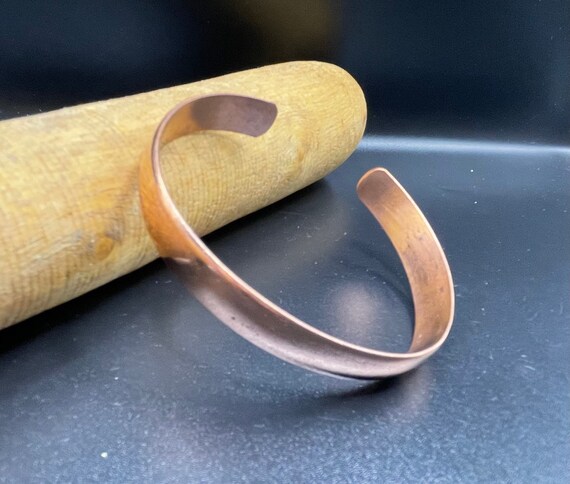
Walk into almost any pharmacy, market stall, or wellness shop, and you will find copper bracelets sitting near the arthritis section. People wear them hoping for less joint pain, less stiffness, and less swelling. But if you strip away the tradition and look only at the science, the picture looks very different. Let’s go through what the research actually shows.
What Is the Claim Behind Copper Bracelets?
The idea behind copper bracelets is simple. Believers say that copper from the metal gets absorbed through the skin and into the body, where it helps reduce inflammation and ease arthritis symptoms. This idea has been around for decades and is especially popular among people with rheumatoid arthritis and osteoarthritis.
It sounds reasonable on the surface. Copper is a real mineral the body needs in small amounts. But wanting something to work and it actually working are two very different things.
Bottom Line Up Front: Major studies and health organizations agree that copper bracelets do not provide real medical benefit for arthritis. Any relief people feel is most likely something other than the copper itself.
What the Research Actually Shows
1. No Scientific Evidence for Arthritis Relief
Arthritis UK, a well-known and trusted health organization, states plainly that there is no scientific evidence that copper bracelets help arthritis. Even more importantly, copper from a bracelet is not absorbed into the joint. So the basic idea behind how these bracelets are supposed to work does not hold up.
2. University of York Study Found No Real Effect
A study from the University of York looked closely at copper bracelets and rheumatoid arthritis. The result was clear. There was no real effect on pain, swelling, or how the disease progressed over time. People wearing the bracelets did not do better than people who were not.
3. Placebo-Controlled Study Confirms It
One of the strongest ways to test if something works is a randomized placebo-controlled study. This means some people get the real treatment and others get a fake version, without knowing which one they have. When this kind of study was done on copper bracelets for osteoarthritis, the results showed the bracelets were generally ineffective. Any improvement people felt was more likely due to the placebo effect, not the copper.
4. Cleveland Clinic Takes a Skeptical View
Cleveland Clinic, a major and respected medical institution, sums up the current scientific view as skeptical. Some people do report feeling relief while wearing copper bracelets. But when researchers actually test it, the evidence does not show that the bracelets are doing the work.
Why People Still Feel Relief: Pain naturally goes up and down on its own. Combine that with the comfort of wearing something you believe will help, and you get a real feeling of relief, even without any real medical effect from the copper.
Why Do People Still Believe In Them?
This is where human psychology comes in. Arthritis pain is not constant. It naturally flares up and calms down depending on weather, activity, stress, and many other factors. If someone puts on a copper bracelet during a calmer period, they will likely credit the bracelet, even though the pain was already easing on its own.
There is also the placebo effect, which is very real and well documented in medical research. When you believe something will help you, your brain and body can respond in ways that genuinely reduce how much pain you notice, even without any physical treatment happening.
Add in the ritual of wearing something daily as a form of self-care, and you get a strong feeling of relief that has nothing to do with copper actually treating inflammation.
Is It Safe to Wear a Copper Bracelet?
Yes, copper bracelets are generally considered safe. The main downside is not a health risk, it is a mismatch between expectation and reality. Some people notice their skin turning slightly green or discolored where the metal touches the skin. This is a normal chemical reaction between copper and sweat, and it does not mean the bracelet is doing anything medically useful. It is simply cosmetic.
If wearing one makes you feel good and you understand it is not a real treatment, there is no harm in it. The real problem comes if someone relies on a copper bracelet instead of proven arthritis treatments like medication, physical therapy, or guidance from a doctor.
The Honest Take
Copper bracelets are a popular alternative remedy, but the current evidence does not show a real medical benefit for arthritis or inflammation. Multiple studies, including placebo-controlled trials, point in the same direction. If copper bracelets truly worked, we would expect to see consistent results across these studies, and we simply do not.
That does not mean people who wear them are foolish. Chronic pain is hard to live with, and anything that offers a sense of control or comfort has value on an emotional level. But it is important to be honest about what is actually happening. The relief is most likely coming from placebo effects, the natural rise and fall of symptoms, or simply the comfort of a daily ritual, not from copper entering the body and fighting inflammation.
Final Thoughts
If you or someone you know is dealing with arthritis, a copper bracelet is not going to hurt you, but it should not replace real treatment. Talk to a doctor about pain management options that are actually backed by strong evidence, such as anti-inflammatory medication, physical therapy, or lifestyle changes. Wear the bracelet if you like how it looks or feels, just do not expect it to do the medical work it claims to do.
Science has looked closely at this question more than once, and the answer keeps coming back the same. Copper bracelets are more about belief and comfort than biology.