
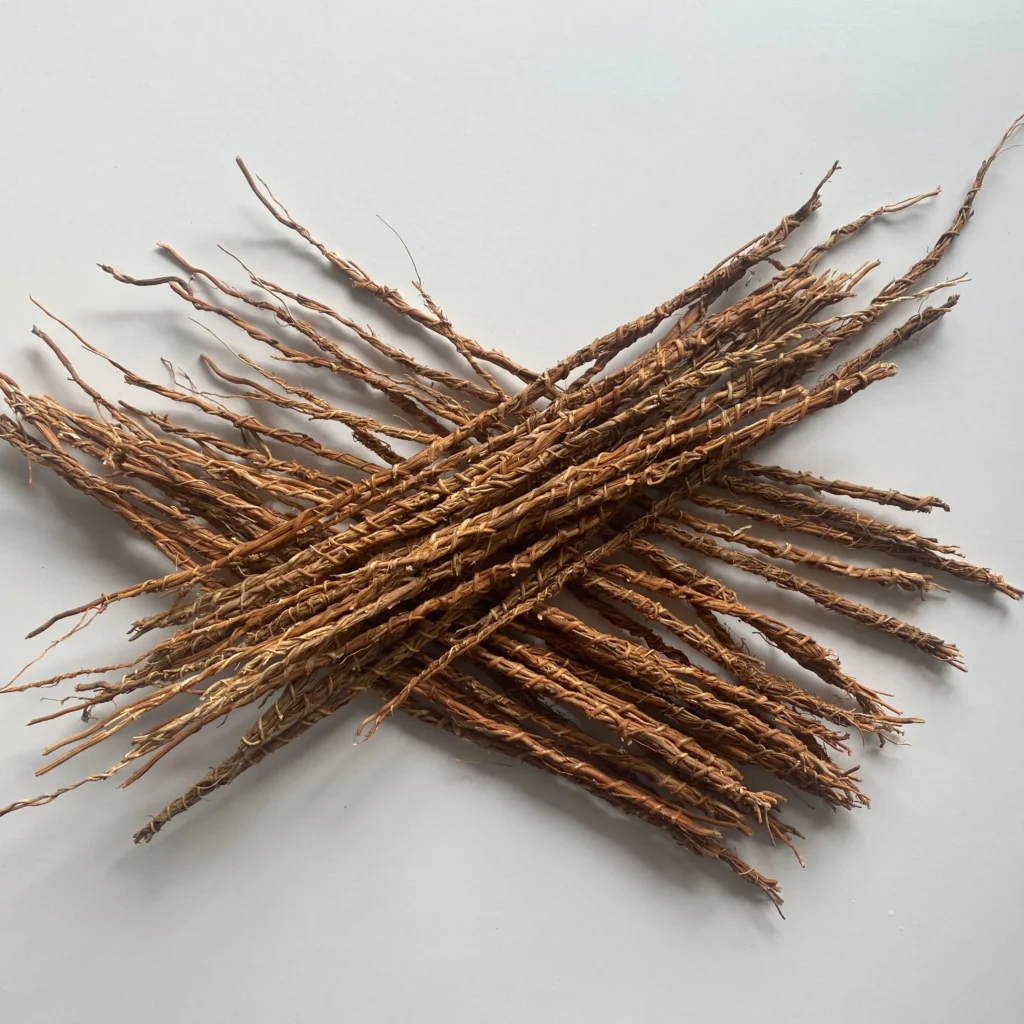
Gongolili is a name you have probably heard whispered between mothers, aunties, and grandmothers rather than read about in a medical journal.
It is a traditional herbal root used mostly in women’s wellness, especially for intimate care and postpartum recovery. But how much of what people say about it is backed by real evidence, and how much is passed down tradition? Let’s break it down honestly.
What Is Gongolili?
Gongolili is a root used in traditional herbal medicine, most commonly associated with women’s intimate health. It has been passed down through generations, often used in home remedies, herbal mixtures, and postpartum care routines. Like many traditional remedies, it has strong cultural roots but has not been widely studied in modern clinical research.
Important to Know: Most information available on gongolili comes from herbal blogs and product websites, not medical studies. This post covers what is claimed and what is traditionally used, not proven medical fact.
Traditional Uses in Women’s Health
1. Vaginal Cleansing and Odor Control
The most common claim about gongolili is its use for vaginal cleansing and odor control. It is often described as a traditional remedy for vaginal dryness and mild infections, especially in intimate care routines. This is likely its most well known use, particularly in West African traditional medicine.
2. Postpartum Care
Gongolili is frequently mentioned in the context of postpartum recovery. Many traditional practices involve using it after childbirth to support healing and comfort during the recovery period. This ties into broader cultural practices around new mothers and their care after delivery.
3. Libido and Intimacy Support
Some sources claim gongolili may support libido and intimacy. This is a common theme across many traditional herbal remedies, and it is one of the claims with the least scientific backing. It is worth treating this claim with extra caution.
Caution: Claims about libido, “detox,” and infection treatment are not confirmed by clinical research. Do not use gongolili as a replacement for medical treatment if you have symptoms of an infection.
Other Claimed Benefits
Beyond intimate and postpartum care, gongolili is also linked to a wider range of traditional uses, including:
- Menstruation comfort
- Digestive support
- Skin hydration
- General body “detox”
- Relief for rheumatism and muscle aches
- Easing cramps
- Support for dry skin
These uses appear across various herbal blogs and traditional health sources, but they are broad claims without strong clinical studies to confirm how well, or even if, gongolili actually works for these purposes.
How Strong Is the Evidence, Really?
This is the part that matters most if you want an honest answer rather than just a list of exciting claims. Right now, most of what is written about gongolili online comes from herbal blogs, traditional health websites, and product pages selling the root or related items. These sources are not the same as peer-reviewed medical research.
That does not automatically mean gongolili does nothing. Traditional remedies are sometimes later confirmed by science, and sometimes they are not. The honest answer is that we simply do not have enough strong clinical research yet to say gongolili definitely works for any of these uses, especially for things like infection treatment or libido support.
If you are dealing with a real medical issue, like a vaginal infection, unusual discharge, or persistent pain, the safest move is always to see a doctor rather than relying only on a traditional remedy.
Is Gongolili Safe to Use?
Since gongolili has not been studied extensively in modern clinical settings, there is limited formal safety data available. Traditional use over generations suggests it is generally tolerated by many people, but this is not the same as scientific safety testing. As with any herbal remedy, especially one used internally or in intimate care, it is wise to be cautious, use it in moderation, and stop if you notice any irritation or unusual reaction.
Pregnant women and anyone with existing health conditions should be especially careful and speak with a healthcare provider before using gongolili or any traditional herbal remedy.
The Honest Take
Gongolili holds a respected place in traditional women’s health practices, especially around postpartum care, vaginal cleansing, and general intimate wellness. That cultural history is real and meaningful. But when it comes to modern scientific proof, the evidence is thin. Most claims are based on tradition and word of mouth rather than clinical trials.
This does not mean you should dismiss it outright, and it does not mean you should treat it as a guaranteed cure either. The most balanced way to think about gongolili is as a traditional remedy with cultural significance and possible benefits that have not yet been properly studied, rather than a scientifically proven treatment.
Final Thoughts
If you are curious about gongolili, it is worth understanding it for what it truly is: a traditional root used across generations for women’s wellness, with claims ranging from vaginal care to digestion and skin health. Some of these uses may hold real value, but until proper research is done, they remain traditional claims rather than confirmed medical benefits.
If you are dealing with a specific health concern, especially anything involving infection, pain, or reproductive health, always speak with a medical professional first. Use tradition as context and comfort, not as a replacement for proper care.