
Start with 100,000 FCFA. Earn daily. Build something that lasts.
If you live in Cameroon and you are looking for a business that is easy to start, affordable to set up, and has real daily demand, selling natural juice is one of the best options in front of you right now.
This is not a theory. People are already doing it and making consistent money. The market is growing. The ingredients are local. And the startup cost is low enough that almost anyone can get in. Let us walk through everything you need to know.
Why Cameroon Is the Perfect Place for This Business
Cameroon has a hot climate, especially in Douala. When the heat hits, people do not want to think twice about buying a cold, fresh drink. That creates a simple, repeatable transaction that happens every single day across busy streets, markets, schools, and offices.
But beyond the heat, something bigger is happening. Cameroonians are becoming more health conscious. People are reading labels. People are asking questions. The demand for fresh, natural, and affordable drinks is rising fast, and the packaged juice brands from supermarkets are not satisfying that demand the way a fresh, local product can.
The winning combination is already in your favor: hot weather + health awareness + local fruits that grow right here in Cameroon. You do not need to import anything. You just need to move.
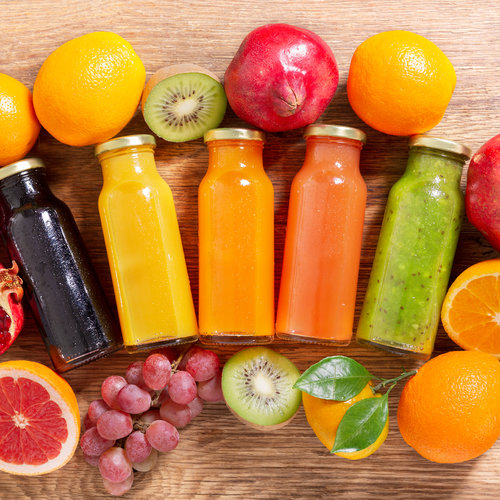
Fruits like pineapple, mango, guava, orange, and papaya are available, affordable, and beloved by Cameroonians. These are not exotic ingredients. They are already part of daily life. Your job is simply to turn them into a product people will pay for consistently.
Proof It Works: The Story of Boris Kamgo
You do not have to guess whether this business works. Boris Kamgo, the founder of Agro World Group, built a real juice empire in Cameroon starting with pineapples from his Dibamba farm.
- He harvests 1.5 million pineapples every year — that is 100,000 pineapples every month.
- His juice is 100% organic. No chemical fertilizers. He uses cow dung and urine to grow his fruits naturally.
- He controls his own supply chain so the taste stays consistent bottle after bottle.
- He wastes nothing. The pineapple peels go to cow feed and beer brewing. Zero waste.
That is a full business model built around one fruit. You do not need to start at his scale. But his story tells you what is possible when you take quality seriously and build with discipline.
How Much Does It Cost to Start?
Here is the honest breakdown for a small-scale setup. You do not need a factory. You do not need expensive machinery from overseas. You need the right basic tools and the discipline to use them well.
| Equipment | Price (FCFA) |
|---|---|
| Manual hand press juicer | 5,500 – 8,000 |
| Juice extractor machine | 24,900 – 39,500 |
| Juice dispenser | 22,000 |
| Blender | ~42,000 |
| Total basic setup | ~50,000 – 100,000 |
With around 100,000 FCFA, you can be operational. That is the point of entry. Many people are spending that on things that return nothing. This business can start returning money from day one if you pick the right location and show up consistently.
How Much Can You Actually Earn?
Let us talk real numbers. In Douala, one bottle of natural juice sells for around 1,000 FCFA. That is the going rate in a busy market, near an office, or at a gym entrance.
- Profit margin: 30 to 40% after your first year
- Daily profit: 5,000 to 10,000 FCFA in busy locations
- Monthly profit starting small: 20,000 to 35,000 FCFA
Those numbers grow when you add distribution channels, scale your production, and build a loyal customer base. Starting small is not a permanent condition. It is a launch pad.
The Best Fruits to Work With in Cameroon
| Fruit | Why It Works |
|---|---|
| Pineapple | High demand, proven by Boris Kamgo’s success |
| Mango | Tropical flavor, rich in vitamin C |
| Guava | Perfect for juice and smoothies |
| Orange | Locally grown, affordable, very familiar to buyers |
| Papaya | Great smoothie option, naturally sweet |
Start with one or two fruits. Master them. Build a product that people recognize and come back for. You can expand your menu once your brand has a name in your local area.
How to Start, Step by Step
- Source your fruits from local farmers. Build a relationship with a farmer near Dibamba, Ebolowa, or your local market. Buying in bulk brings your cost down and keeps your supply stable.
- Set up a clean, simple production space. Wash the fruits properly. Use your extractor or press. Filter the juice to remove pulp if your customers prefer it smooth. Pasteurize to extend shelf life safely.
- Bottle and label your product with care. Your label is your brand. People eat and drink with their eyes first. A clean, well-designed bottle in a busy area will sell faster than a plain one with no identity.
- Pick a brand message and own it. Focus on health, freshness, and local pride. Cameroonians want to support local. Give them a reason to choose you over an imported brand.
- Choose your distribution channels smartly. Start with a street stand or market stall in a high-traffic area. Then approach supermarkets, bakeries, cafes, gyms, schools, and offices. Offer free samples at events to build word of mouth fast.
- Market aggressively on social media. Show people your process. Show them the fresh fruits. Show them your clean production space. Transparency builds trust, and trust drives repeat customers.
Challenges You Need to Prepare For
- Quality control: Different farms grow fruits differently. If your supplier changes fertilizers or harvesting practices, your juice will taste different. Build relationships with farmers who share your standards.
- Chemical fertilizers: Customers are becoming smarter. If your fruits are loaded with chemicals, people will notice over time. Organic or naturally grown fruits are your long-term advantage.
- Tax and compliance: Some local juice producers have run into issues with regulation. Register your business properly and stay on top of your paperwork before you scale.
- Preservation and refrigeration: Fresh juice spoils fast. You need cold storage or you need to sell fast. Pasteurization helps extend shelf life without killing the natural taste.
The Bottom Line
The natural juice business in Cameroon is not complicated. The ingredients are local and affordable. The demand is real and growing every year. The startup cost is within reach. And proof of success already exists in brands like FruityFlow Juice and Agro Fresh.
What separates those who succeed from those who quit is simple: quality and consistency. Show up every day. Keep your product clean and fresh. Build a brand people trust. And reinvest your profits instead of spending them.
Start with 100,000 FCFA. Pick one fruit. Find one location. Sell every day. Then grow. That is the entire blueprint.
The market in Douala alone is big enough to build a real income from scratch. You do not need a loan or a business degree. You need fruit, equipment, a clean process, and the discipline to show up until the business grows itself.
The question is not whether the business works. The question is whether you will start.